
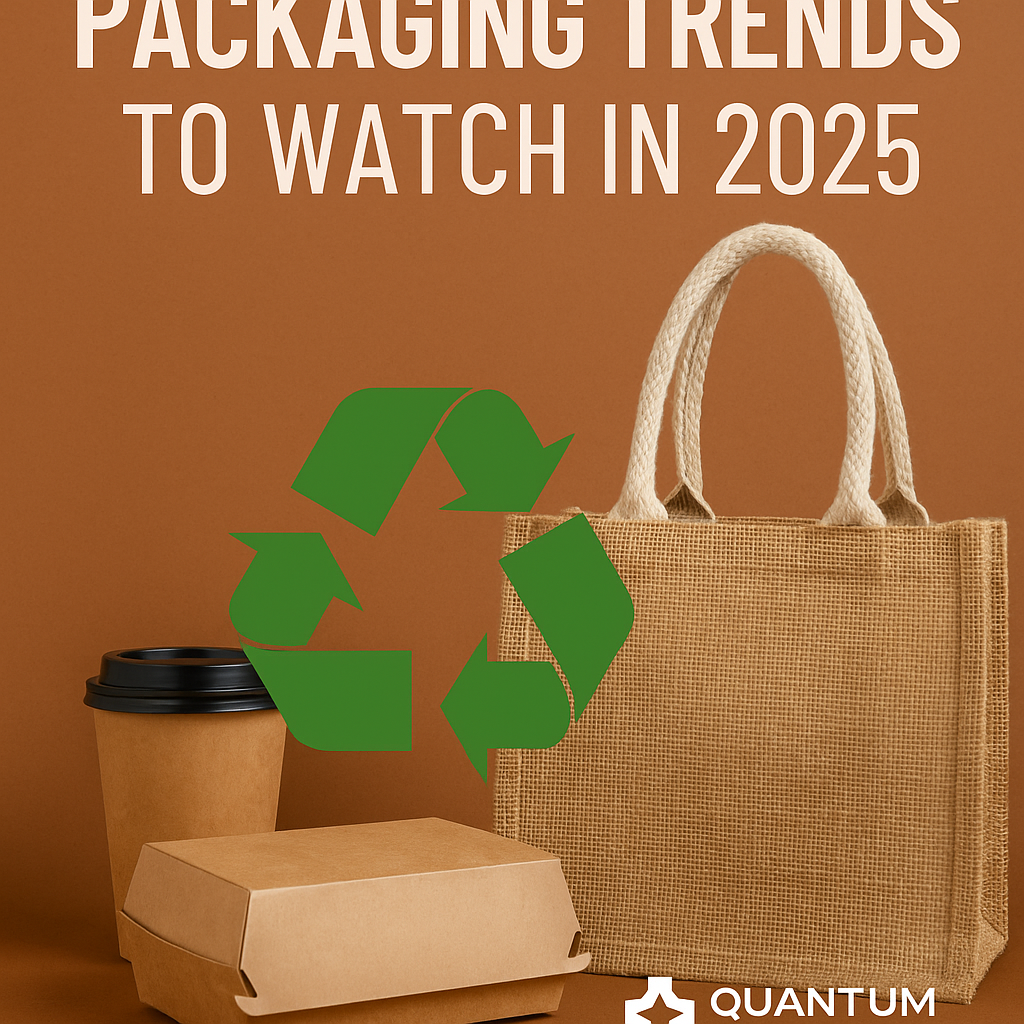
In a rapidly evolving market, packaging has become more than just a protective layer — it’s now a crucial part of branding, customer experience, and sustainability efforts. As we step into 2025, brands must stay ahead of the curve to remain competitive. Here are the key packaging trends that will define the industry in 2025 and beyond.
1. Smart Packaging for Enhanced Engagement
Technology continues to reshape packaging through the rise of smart packaging. With embedded QR codes, NFC chips, and AR (Augmented Reality) features, brands can offer consumers rich digital experiences.
Example: A QR code on a food package might reveal sourcing information, nutritional benefits, or brand stories via an immersive video — enhancing transparency and trust.
2. Sustainability Takes Center Stage
Eco-conscious consumers are demanding sustainable packaging solutions. In 2025, expect greater use of biodegradable materials, recyclable content, and refillable packaging models.
Trend Insight: Brands are investing in plant-based plastics, paper alternatives to plastic, and zero-waste packaging strategies.
3. Minimalism with a Message
Minimalist design isn’t new, but in 2025 it’s evolving to convey more with less. Clean lines, neutral colors, and bold typography are trending — emphasizing authenticity and environmental awareness.
Tip: Brands are using simple designs to reduce ink use and focus on clean recyclability.
4. Personalized & Custom Packaging
With advancements in digital printing, custom packaging has become more accessible. Personalization helps brands create stronger connections with their customers — especially in e-commerce.
Impact: Personalized unboxing experiences can boost customer retention and social media sharing, directly contributing to marketing efforts.
5. Reusable & Multi-Use Packaging
Circular economy concepts are driving demand for reusable packaging. From glass bottles with refill options to high-end boxes designed for repurposing, packaging now has a second life.
Use Case: Cosmetics brands are leading this trend by offering refill stations and discounts for returning used containers.
6. Edible Packaging and Innovations in Material
2025 will also see innovations like edible packaging, especially in the food and beverage industry. Derived from starches, algae, and other organic materials, this type of packaging reduces waste altogether.
Industry Note: While still niche, edible packaging is gaining traction as a novelty and sustainable solution.
7. Regulatory-Compliant Packaging
With environmental laws becoming stricter across the globe, businesses must adapt their packaging strategies to comply with new regulations.
Preparation Tip: Companies should audit their current materials and supplier practices to ensure 2025 compliance.
Why These Trends Matter
These emerging trends go beyond aesthetics — they speak to consumer values, regulatory expectations, and technological advancements. Packaging now plays a central role in the brand narrative, making it vital for businesses to adapt early and invest in innovation.
At Quantum Star, we’re committed to delivering packaging solutions that align with these future-forward trends — helping your brand lead, not follow.
FAQs
Q1: Why is sustainable packaging so important in 2025?
A: Consumers are increasingly eco-conscious, and sustainable packaging helps reduce environmental impact while improving brand image.
Q2: What is smart packaging?
A: Smart packaging incorporates tech features like QR codes or sensors to provide interactive, data-rich experiences.
Q3: Is personalized packaging expensive?
A: With digital printing technology, custom packaging is more affordable than ever and offers a high return on investment through better customer engagement.
Q4: How does minimalist packaging help the environment?
A: Minimalist designs reduce ink and material usage, making packaging more recyclable and eco-friendly.
Q5: What should my business do to prepare for 2025 packaging regulations?
A: Review materials, update labeling standards, and collaborate with packaging experts like Quantum Star to ensure compliance.
Consumers are increasingly eco-conscious, and sustainable packaging helps reduce environmental impact while improving brand image.
Smart packaging incorporates tech features like QR codes or sensors to provide interactive, data-rich experiences.
With digital printing technology, custom packaging is more affordable than ever and offers a high return on investment through better customer engagement.
Minimalist designs reduce ink and material usage, making packaging more recyclable and eco-friendly.
Review materials, update labeling standards, and collaborate with packaging experts like Quantum Star to ensure compliance.