
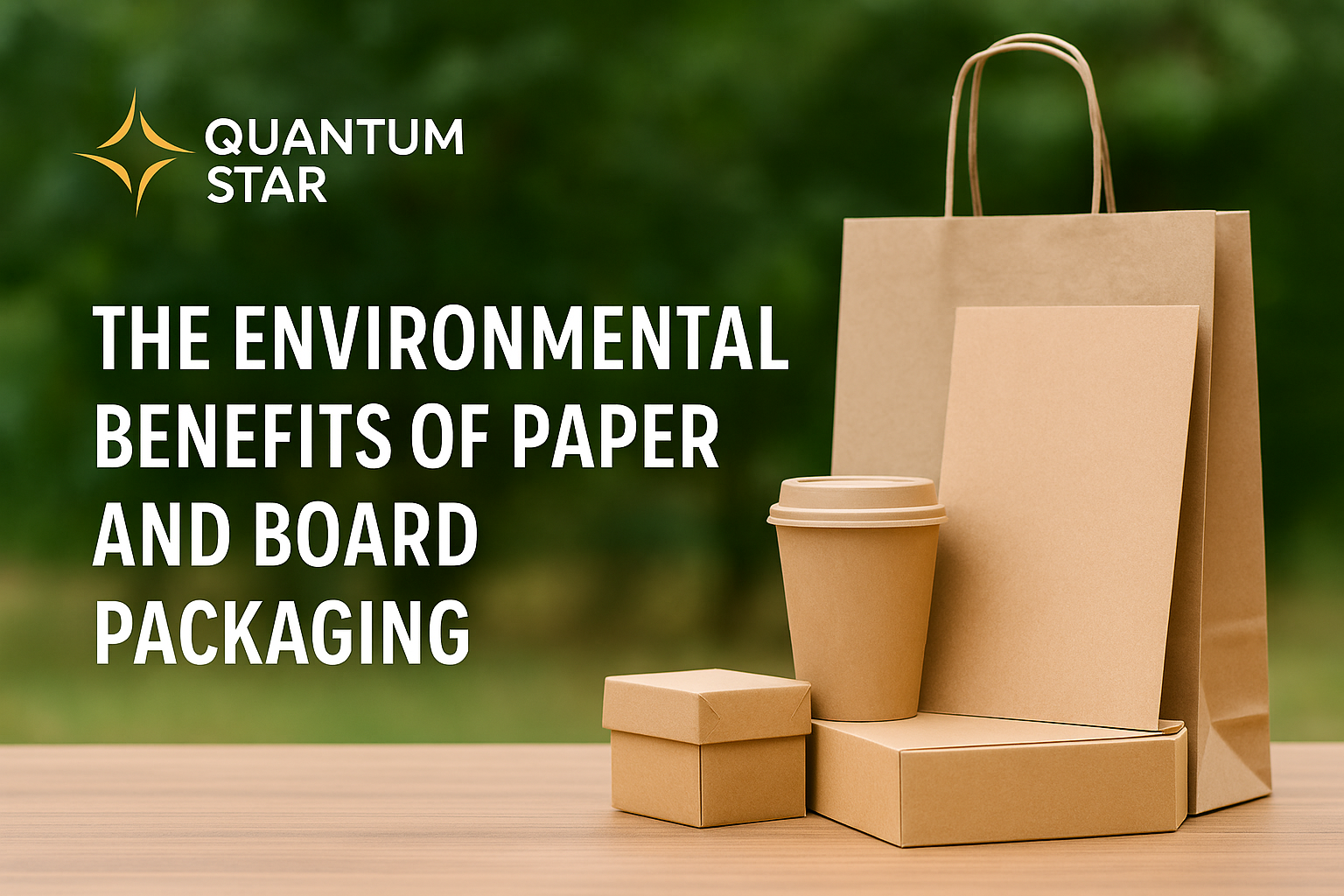
As sustainability continues to shape consumer choices and corporate responsibility, paper and board packaging has emerged as one of the most environmentally friendly options available today. Businesses across industries are recognizing the significance of shifting toward greener alternatives, and paper-based packaging is leading the way due to its biodegradable, recyclable, and renewable nature.
In this article, we explore the key environmental advantages of using paper and board packaging and why it represents a strategic move for brands seeking to enhance sustainability while meeting consumer expectations.
1. Biodegradable and Compostable
Paper and board packaging are derived from natural, organic sources, making them biodegradable and compostable under the right conditions. Unlike plastic packaging, which can take hundreds of years to decompose, paper products typically break down in just weeks. This reduces landfill waste and contributes to healthier ecosystems.
Key Benefit: Helps reduce pollution and landfill burden by naturally breaking down without leaving toxic residues.
2. Renewable Resources
The primary material for paper and board is wood pulp, which can be sustainably sourced from responsibly managed forests. Forest stewardship programs ensure that trees are replanted and biodiversity is maintained, making paper packaging a renewable resource that supports circular economy practices.
Key Benefit: Utilizes renewable resources while promoting sustainable forestry management.
3. Recyclability
Paper and board packaging are among the most widely recycled materials in the world. They can be reprocessed multiple times into new packaging materials, reducing the need for virgin resources and lowering greenhouse gas emissions associated with production.
Key Benefit: Supports a circular economy by extending material life cycles and reducing energy consumption.
4. Reduced Carbon Footprint
Producing paper and board packaging often results in a lower carbon footprint compared to plastic alternatives, especially when the energy used in manufacturing is sourced from renewable resources. Transportation and disposal of lightweight paper materials also tend to consume less energy.
Key Benefit: Minimizes carbon emissions across the packaging life cycle.
5. Consumer Appeal and Brand Perception
Eco-conscious consumers are more likely to choose brands that demonstrate a commitment to environmental stewardship. Using paper and board packaging signals to your audience that your brand cares about sustainability, giving you a competitive edge in the market.
Key Benefit: Enhances brand image and aligns with consumer demand for eco-friendly practices.
Conclusion
Switching to paper and board packaging is a responsible and forward-thinking choice that benefits both the planet and your brand. By choosing materials that are biodegradable, renewable, recyclable, and lower in carbon emissions, businesses can play a significant role in driving positive environmental change.
For companies like Quantum Star, offering customizable, sustainable packaging solutions ensures that every package delivered reflects your brand’s values and commitment to a greener future.
FAQs
1. Is paper and board packaging strong enough for heavy products?
Yes, board packaging in particular is engineered for durability and strength, making it suitable for a wide range of products, including heavier items.
2. Can paper and board packaging be printed in full color?
Absolutely. Modern printing technologies allow vibrant, high-resolution branding on paper and board without compromising environmental standards.
3. How can paper packaging be made water-resistant?
Paper packaging can be treated with eco-friendly coatings or linings to improve water resistance while maintaining recyclability.
4. What certifications should I look for in sustainable paper packaging?
Look for certifications such as FSC (Forest Stewardship Council) or PEFC (Programme for the Endorsement of Forest Certification), which indicate sustainable sourcing.
5. Is switching to paper packaging cost-effective?
In many cases, yes. While initial costs may vary, the long-term benefits of brand value, customer loyalty, and compliance with environmental regulations can outweigh the investment.
Yes, board packaging in particular is engineered for durability and strength, making it suitable for a wide range of products, including heavier items.
Absolutely. Modern printing technologies allow vibrant, high-resolution branding on paper and board without compromising environmental standards.
Paper packaging can be treated with eco-friendly coatings or linings to improve water resistance while maintaining recyclability.
Look for certifications such as FSC (Forest Stewardship Council) or PEFC (Programme for the Endorsement of Forest Certification), which indicate sustainable sourcing.
In many cases, yes. While initial costs may vary, the long-term benefits of brand value, customer loyalty, and compliance with environmental regulations can outweigh the investment.