
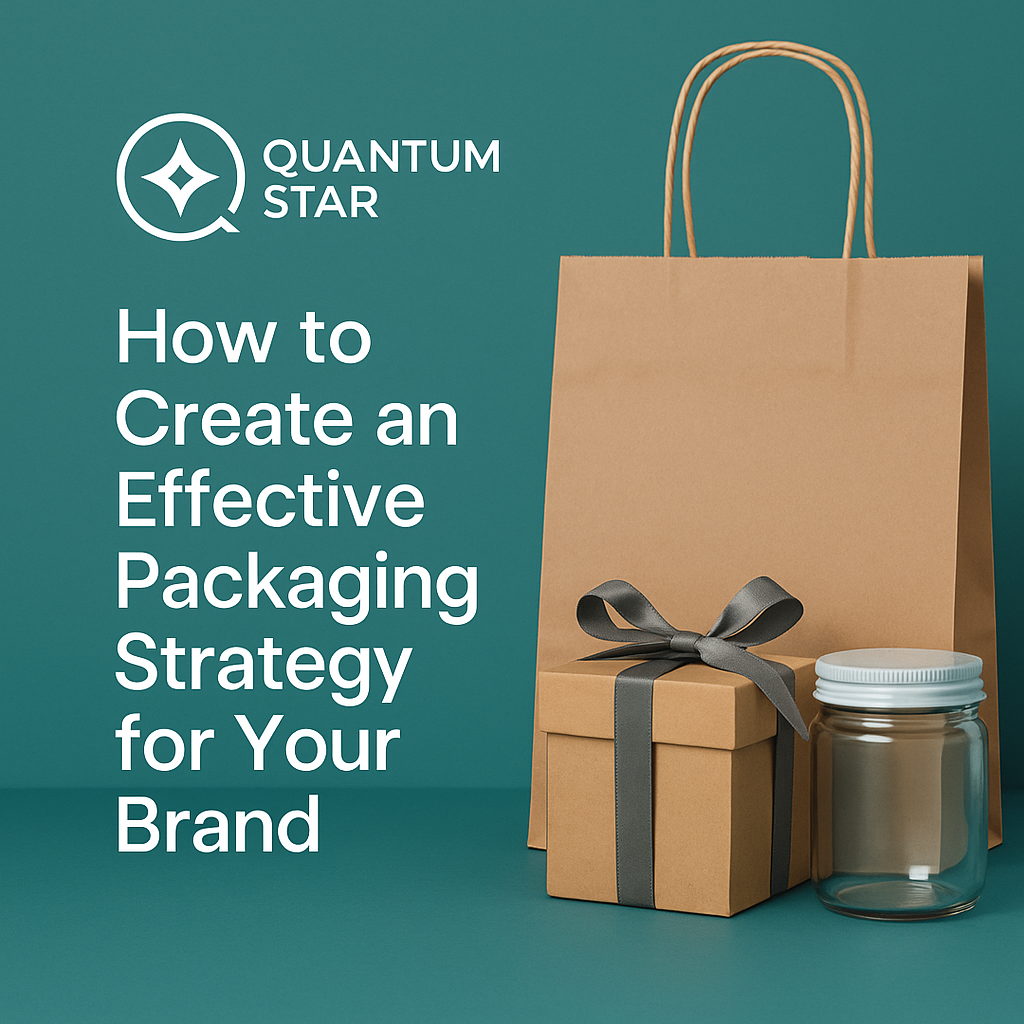
In today’s crowded marketplace, your product’s packaging is far more than just a container—it’s a strategic branding tool. A well-crafted packaging strategy can differentiate your brand, improve customer retention, and align with your sustainability goals.
Whether you’re launching a new product or rebranding an existing one, creating an effective packaging strategy requires thoughtful planning, creativity, and alignment with your business objectives. Here’s how to do it right.
1. Define Your Brand Identity and Values
Before choosing packaging materials or designs, understand your brand’s mission, values, and target audience. Are you a luxury brand seeking elegance and sophistication? Or an eco-conscious company focused on sustainability?
Your packaging should mirror these traits. For example, using kraft paper, jute bags, or recycled boxes aligns well with an environmentally responsible brand.
Key Takeaway: Align packaging with brand values to create consistency across all customer touchpoints.
2. Know Your Target Market
Understanding your customers’ preferences, behaviors, and expectations is essential. A youthful audience might appreciate bold, innovative packaging, while a mature demographic might favor simplicity and elegance.
Research Tip: Conduct customer surveys or analyze market competitors to identify what resonates with your audience.
3. Balance Aesthetics with Functionality
Great packaging isn’t just about looking good—it needs to protect the product, be easy to open, and convenient to store or dispose of.
Ask yourself:
- Is the packaging durable enough for transit?
- Is it intuitive and user-friendly?
- Does it enhance the product’s presentation?
Custom inserts, premium gift boxes, and branded wrapping paper are simple ways to enhance appeal without sacrificing function.
4. Prioritize Sustainability
Consumers are becoming increasingly eco-conscious. A 2023 Nielsen study showed that 73% of global consumers would change their habits to reduce environmental impact.
Opt for:
- Recyclable or compostable materials
- Minimalistic designs that reduce waste
- Reusable packaging like jute bags or glass containers
Bonus: Sustainable packaging can reduce shipping costs by being lighter and more compact.
5. Leverage Customization
Custom packaging helps reinforce your brand and create a memorable unboxing experience. Include your logo, brand colors, messaging, and unique design elements that speak directly to your audience.
Examples:
- Personalized thank-you notes
- Limited edition packaging
- Seasonal gift boxes
This increases brand recall and encourages social sharing, especially in industries like fashion, beauty, and food.
6. Optimize for Logistics and Cost
Effective packaging also considers cost-efficiency and shipping logistics. Poorly designed packaging can lead to increased shipping fees, product damage, and higher returns.
Work with your packaging provider to:
- Choose the right box size
- Test drop and pressure resistance
- Consider flat-pack or foldable packaging options
7. Test and Iterate
Before launching your final packaging strategy, test it with a small audience. Gather feedback on:
- Aesthetics
- Usability
- Durability
- Perceived value
Use this data to refine your strategy and make data-backed improvements.
FAQs
1. Why is packaging strategy important for a brand?
It enhances brand recognition, protects the product, improves customer experience, and supports marketing and sustainability goals.
2. How does packaging influence purchasing decisions?
Attractive, functional packaging can grab attention, communicate value, and build trust—ultimately influencing purchase behavior.
3. What are the best materials for sustainable packaging?
Recycled cardboard, kraft paper, biodegradable plastics, jute, and reusable glass or metal containers are top choices.
4. How can I reduce packaging costs without compromising quality?
Optimize box sizes, reduce unnecessary components, and partner with packaging experts to find cost-effective, durable materials.
5. Should small businesses invest in custom packaging?
Yes. Even minimal customization—like branded stickers or stamps—can elevate your brand and create a lasting impression.
Conclusion
An effective packaging strategy is a blend of art, science, and brand storytelling. By aligning your packaging with your brand identity, customer expectations, and sustainability goals, you don’t just deliver a product—you deliver an experience.
Quantum Star helps businesses of all sizes design and execute powerful, eco-friendly, and customized packaging solutions. Whether you’re starting fresh or revamping your approach, our team is here to guide you from concept to execution.
It enhances brand recognition, protects the product, improves customer experience, and supports marketing and sustainability goals.
Attractive, functional packaging can grab attention, communicate value, and build trust—ultimately influencing purchase behavior.
Recycled cardboard, kraft paper, biodegradable plastics, jute, and reusable glass or metal containers are top choices.
Optimize box sizes, reduce unnecessary components, and partner with packaging experts to find cost-effective, durable materials.
Yes. Even minimal customization—like branded stickers or stamps—can elevate your brand and create a lasting impression.