
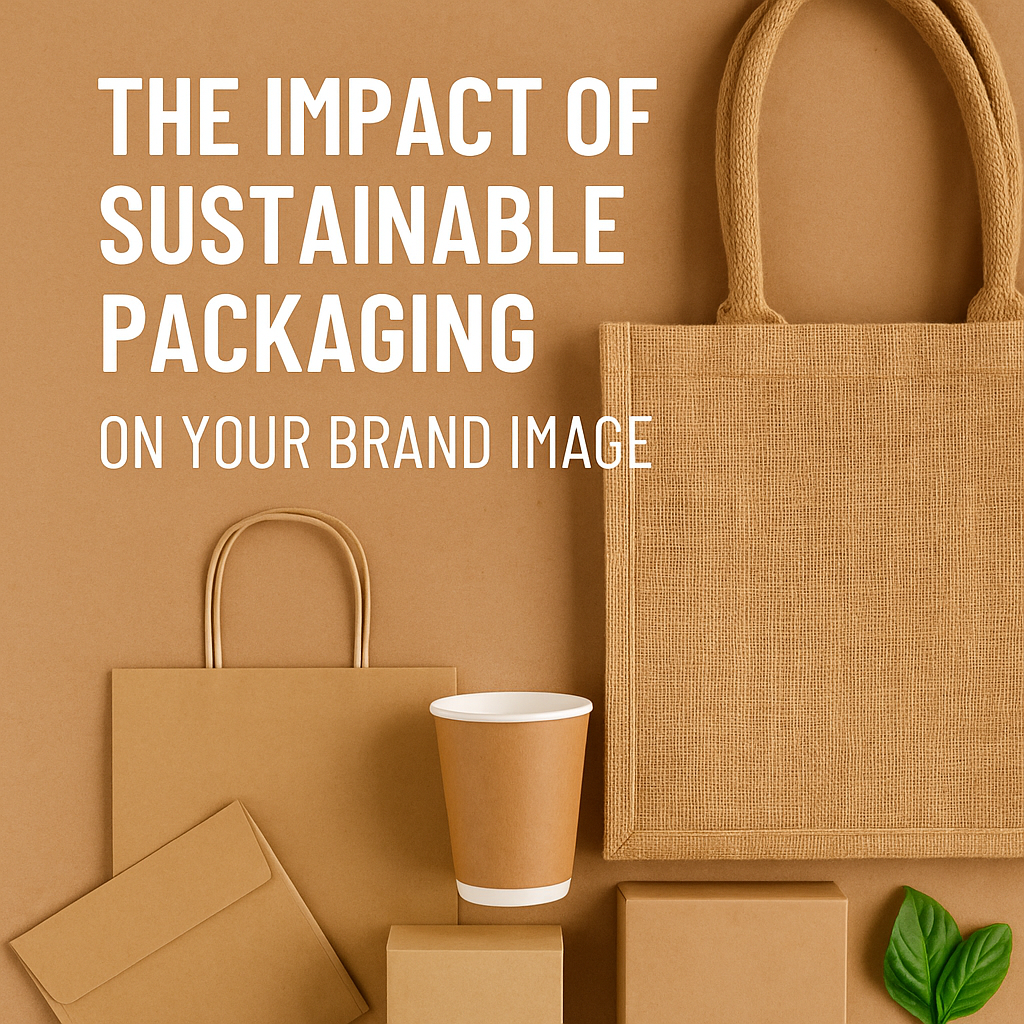
In an era where environmental consciousness is no longer optional but expected, sustainable packaging has emerged as a key differentiator for brands across industries. From consumer perception to long-term brand loyalty, eco-friendly packaging can significantly shape how your brand is viewed in the marketplace.
Why Sustainable Packaging Matters
The global shift toward sustainability is not just a trend—it’s a transformation. Consumers today are more informed and intentional about the products they purchase, seeking brands that align with their values. Sustainable packaging shows your commitment to reducing environmental impact, and that transparency resonates deeply with modern buyers.
According to a Nielsen report, 73% of global consumers say they would definitely or probably change their consumption habits to reduce their environmental impact. This statistic speaks volumes: integrating sustainable packaging into your business strategy isn’t just ethical—it’s a smart branding move.
How Sustainable Packaging Elevates Brand Image
1. Demonstrates Corporate Responsibility
Using recyclable, biodegradable, or compostable materials signals that your business cares about more than profits. It shows you are contributing to the global effort to combat waste and pollution, which elevates your reputation and strengthens stakeholder trust.
2. Appeals to Eco-Conscious Consumers
Today’s consumers, especially millennials and Gen Z, gravitate towards brands that make sustainable choices. Choosing eco-friendly packaging helps you tap into this growing demographic, making your brand more appealing to a values-driven audience.
3. Enhances Brand Loyalty
Sustainable practices often result in increased brand loyalty. When customers see your consistency in eco-friendly choices, they are more likely to become repeat buyers and brand advocates. Sustainability becomes a part of your story—and a reason customers come back.
4. Differentiates You from Competitors
In crowded markets, sustainable packaging can set you apart. With consumers increasingly making purchase decisions based on packaging alone, your commitment to eco-friendly materials becomes a powerful competitive edge.
5. Future-Proofs Your Business
Governments around the world are implementing regulations aimed at reducing packaging waste. Embracing sustainable solutions now helps you stay ahead of regulatory changes while aligning with global environmental goals.
Best Practices for Sustainable Packaging
- Choose the right materials: Opt for biodegradable, recyclable, or compostable options like kraft paper, jute, or glass.
- Minimize waste: Use minimal packaging or right-size your packaging to reduce unnecessary material use.
- Use eco-friendly inks: Soy-based or water-based inks are less harmful to the environment.
- Communicate clearly: Let customers know about your sustainable efforts through labeling and marketing materials.
The Long-Term Value
Investing in sustainable packaging may involve upfront costs, but the long-term brand value far outweighs them. You’re not just protecting the planet—you’re positioning your brand as a forward-thinking leader that people can trust.
FAQs
Q1: What qualifies packaging as “sustainable”?
A: Sustainable packaging is made from materials that are easily recyclable, biodegradable, or reusable, and it’s produced using processes that minimize environmental impact.
Q2: How can small businesses afford sustainable packaging?
A: Many affordable, eco-friendly options are now available in bulk. Also, reduced packaging weight can lower shipping costs, offsetting initial expenses.
Q3: Will switching to sustainable packaging really improve my brand image?
A: Yes. Studies show that customers are more likely to trust and support brands that demonstrate environmental responsibility.
Q4: Can I promote my brand as eco-friendly just by changing packaging?
A: Packaging is a major step, but it’s most effective when paired with other sustainable business practices and clear communication.
Q5: Are there design limitations with sustainable materials?
A: No. Today’s eco-materials are highly versatile and can be customized for stunning, brand-consistent designs.
Sustainable packaging is made from materials that are easily recyclable, biodegradable, or reusable, and it’s produced using processes that minimize environmental impact.
Many affordable, eco-friendly options are now available in bulk. Also, reduced packaging weight can lower shipping costs, offsetting initial expenses.
Yes. Studies show that customers are more likely to trust and support brands that demonstrate environmental responsibility.
Packaging is a major step, but it’s most effective when paired with other sustainable business practices and clear communication.
No. Today’s eco-materials are highly versatile and can be customized for stunning, brand-consistent designs.